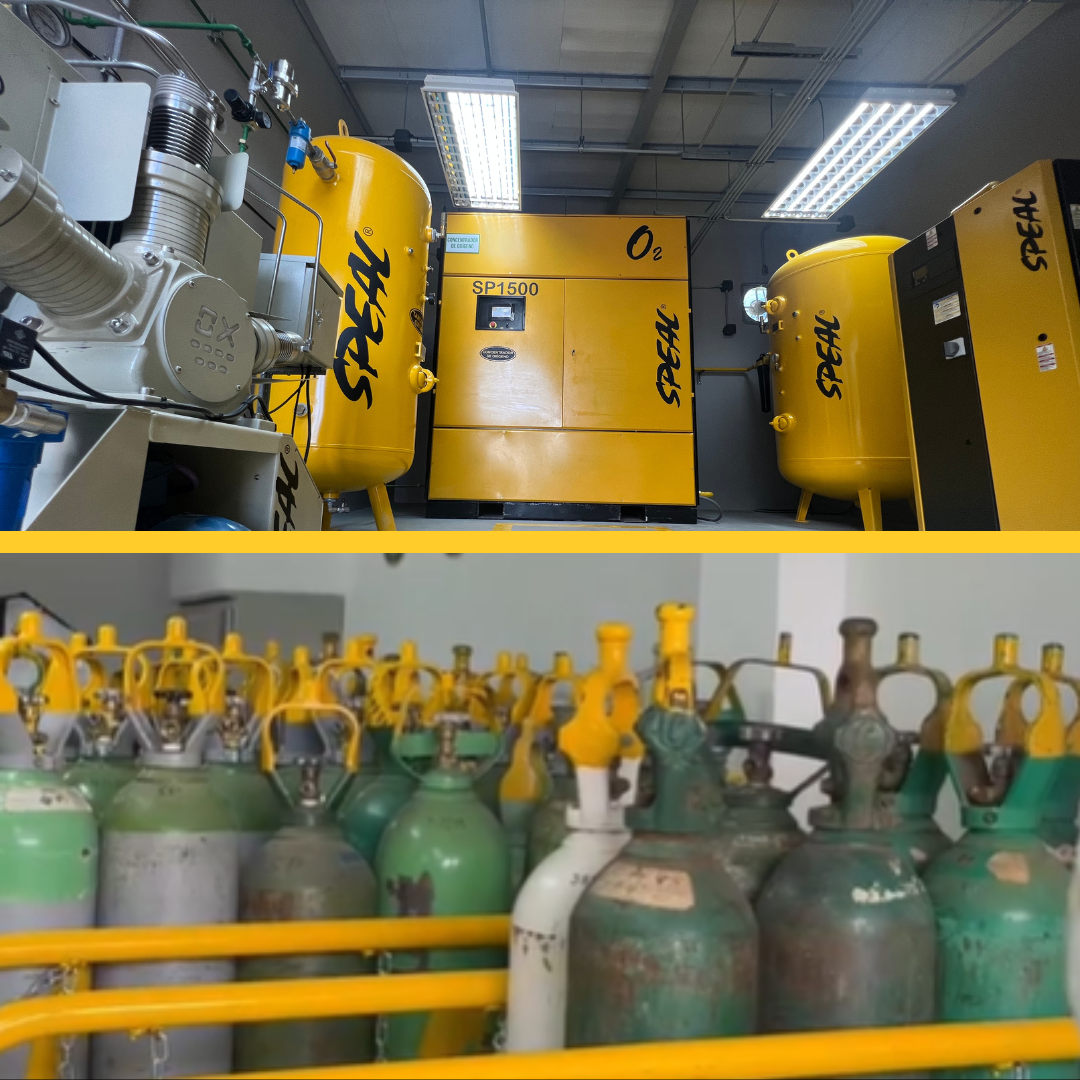

Technical comparison between oxygen generator plants and cylinder supply
May 28, 2025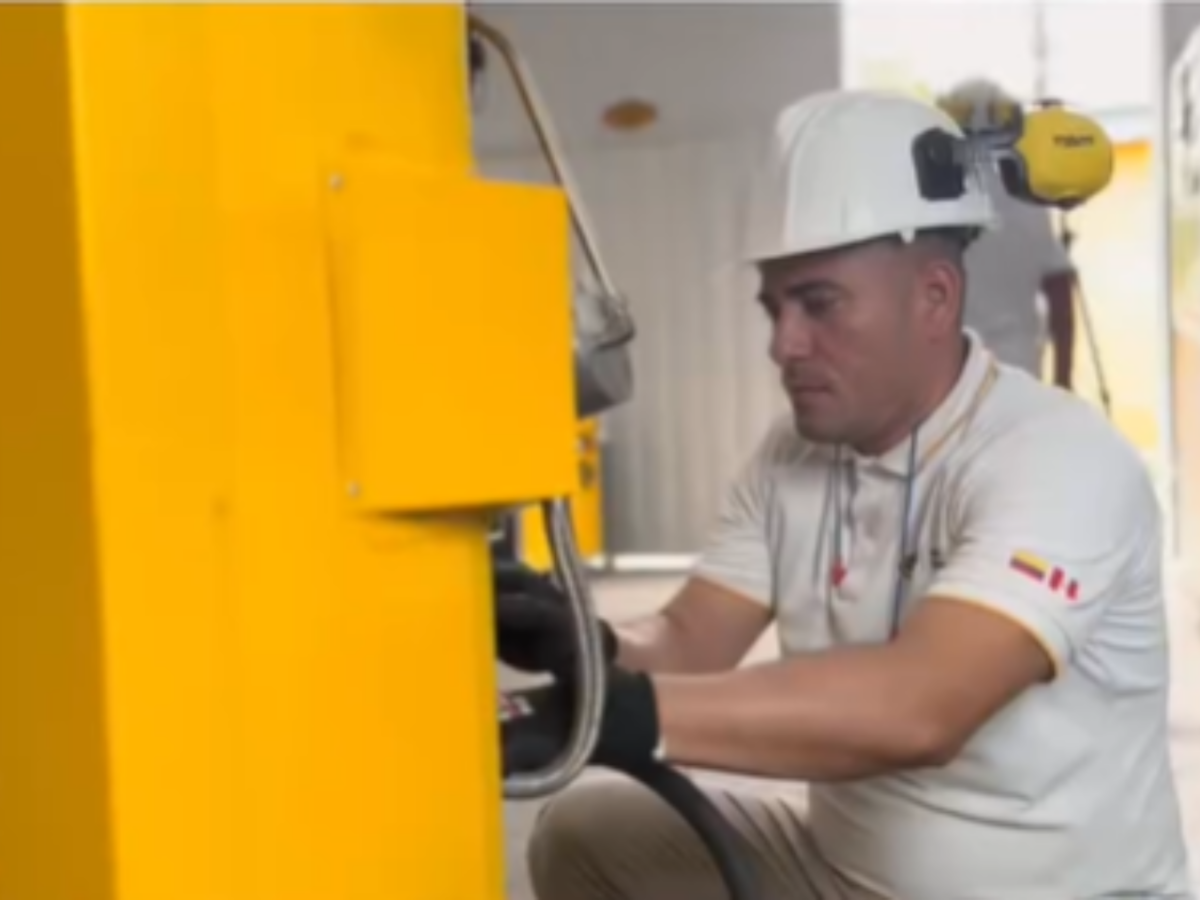
The Crucial Role of Molecular Sieve in Oxygen Generation
In healthcare and industry, oxygen purity is a critical factor. From medical applications, such as oxygen therapy for patients with breathing difficulties, to industrial processes such as welding and steel production, high-purity oxygen is essential. The key technology that enables this level of purity to be achieved is the use of molecular sieves. This article will explore in detail the operation, importance and advantages of the molecular sieve in the oxygen generation process.
What is a Molecular Sieve?
A molecular sieve is a porous material with a uniform crystalline structure, characterized by pores of precisely controlled dimensions. These pores act as microscopic filters that separate gases based on the size and polarity of their molecules. Unlike other filters, molecular sieves allow molecular selection, making them ideal for the separation of gases such as oxygen (O2) and nitrogen (N2), as their molecular sizes are slightly different.
Molecular Sieve Operation in Oxygen Generation
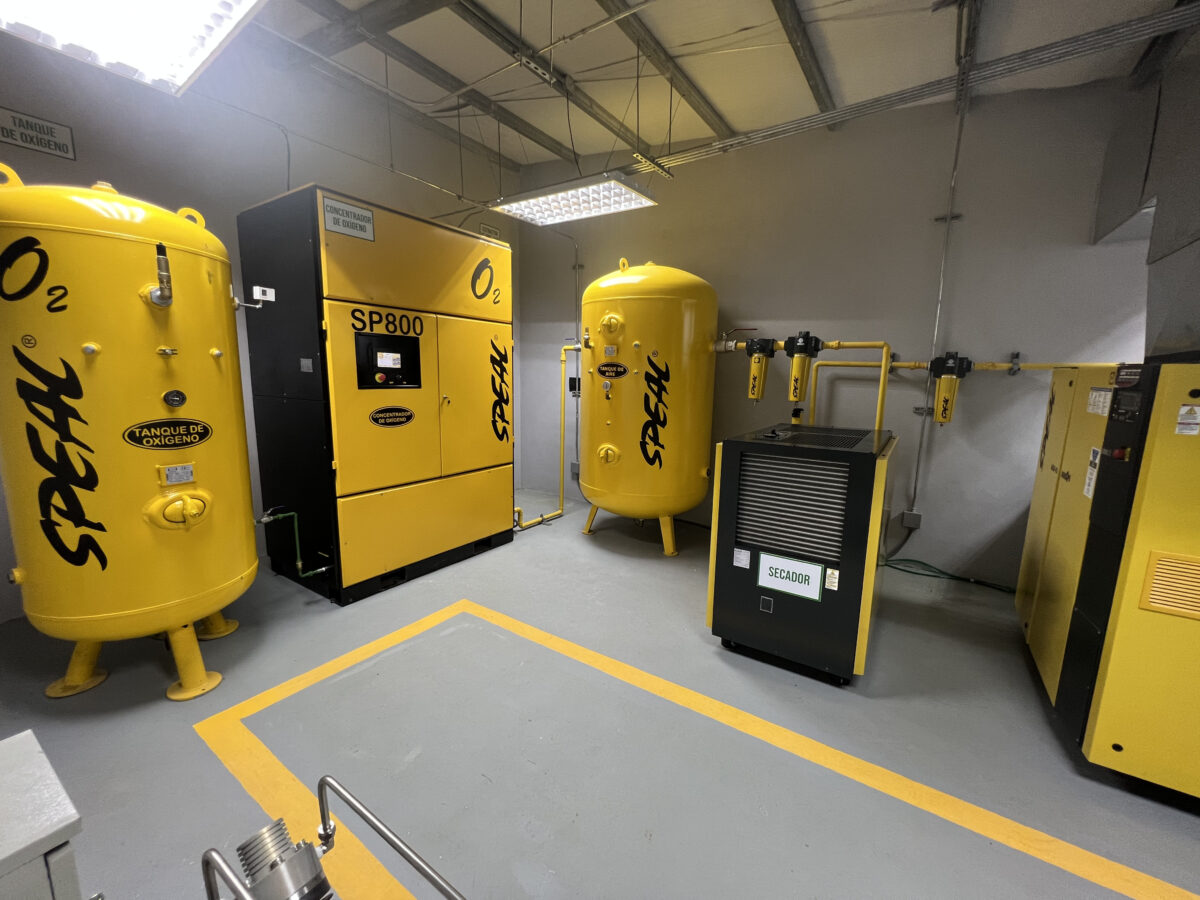
The process of oxygen generation using molecular sieves is based on pressure adsorption (PSA). Atmospheric air, consisting mainly of nitrogen and oxygen, is introduced under pressure into a vessel filled with molecular sieves, usually zeolites. Due to their size and polarity, nitrogen molecules are preferentially adsorbed by the sieves, leaving the oxygen enriched in the outlet stream.
The process is carried out in two or more molecular sieve towers. While one tower is adsorbing nitrogen, the other is in the process of regeneration. Regeneration is performed by lowering the pressure in the saturated tower, which allows the adsorbed nitrogen to be released and evacuated. This adsorption and regeneration cycle, controlled by a valve system, allows a continuous flow of high purity oxygen to be obtained.
Types of Molecular Sieves and their Application
There are different types of molecular sieves, with zeolites being the most common in oxygen generation. Zeolites are crystalline aluminosilicates with a well-defined porous structure. The choice of zeolite type and the design of the PSA system are crucial to optimize the efficiency and purity of the oxygen generated. Other materials, such as molecular carbon sieves, are also used in specific applications, although zeolites are the predominant choice due to their high nitrogen adsorption capacity and long-term stability.
Advantages of the Use of Molecular Sieves
Molecular sieve technology offers several advantages in oxygen generation compared to other methods, such as cryogenic distillation. These include:
- High oxygen purity: Allows reaching purity levels above 90%, ideal for medical and industrial applications.
- Energy efficiency: PSA systems are relatively energy efficient, especially compared to small and medium scale cryogenic distillation.
- Flexibility and scalability: PSA systems can be adapted to a wide range of oxygen flow rates, from small portable oxygen concentrators to large industrial plants.
- Low maintenance cost: Molecular sieves have a long service life and require relatively simple maintenance.
- Safety: Because they do not require extreme low temperatures, PSA systems are safer than cryogenic methods.
Healthcare and Industrial Applications
The purity of oxygen generated by molecular sieves has wide applications in various industries:
- Health Sector: Oxygen therapy for patients with respiratory diseases, anesthesia, and intensive care applications.
- Metallurgical Industry: Metal cutting and welding, and furnace enrichment to improve combustion efficiency.
- Chemical Industry: Oxidation processes and other chemical reactions requiring pure oxygen.
- Aquaculture Industry: Oxygenation of ponds and aquariums to maintain the health of fish and other aquatic organisms.
- Wastewater Treatment: Wastewater aeration for biological treatment.
Important Considerations and Maintenance
To ensure optimum performance and long life of the oxygen generation system, proper maintenance is essential. This includes regular inspection of the molecular sieves, removal of any contaminants that may affect their performance (moisture, dust, oil), and adherence to the manufacturer's recommended operating procedures. The quality of the inlet air is crucial, so pre-filtration and drying are essential to protect the molecular sieves and prolong their service life.