Automation and remote control in oxygen plants: advantages and solutions
May 21, 2025
The role of molecular sieve in the purity of the generated oxygen
June 4, 2025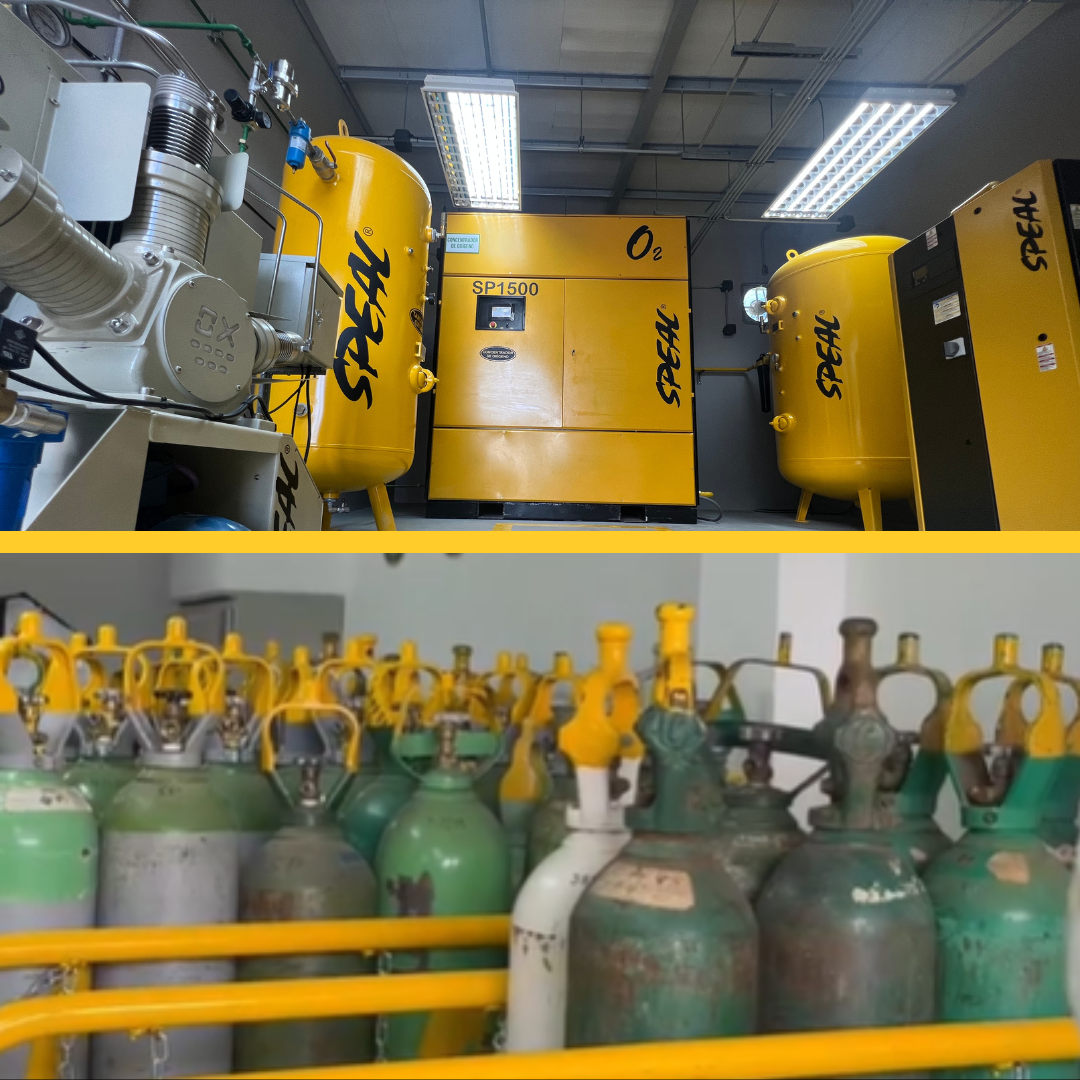
Technical Comparison Between Oxygen Generating Plants and Cylinder Supply
Medical oxygen is an essential element in various sectors, especially in healthcare and industry. There are two main methods for its supply: the use of on-site oxygen generating plants (OGP) and supply via compressed oxygen cylinders. This technical comparison aims to analyze the advantages, disadvantages and key considerations of each method to facilitate informed decision making, whether for hospitals, clinics or industrial applications.
Oxygen Generating Plant: Operation and Benefits
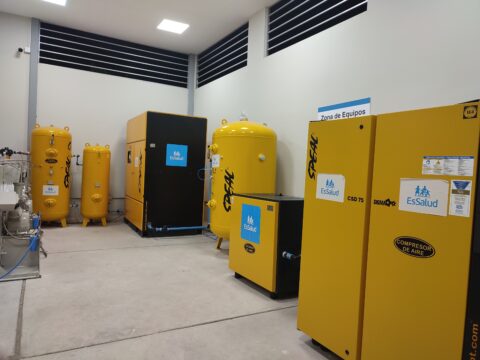
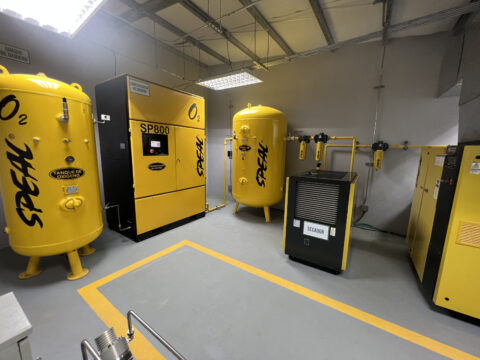
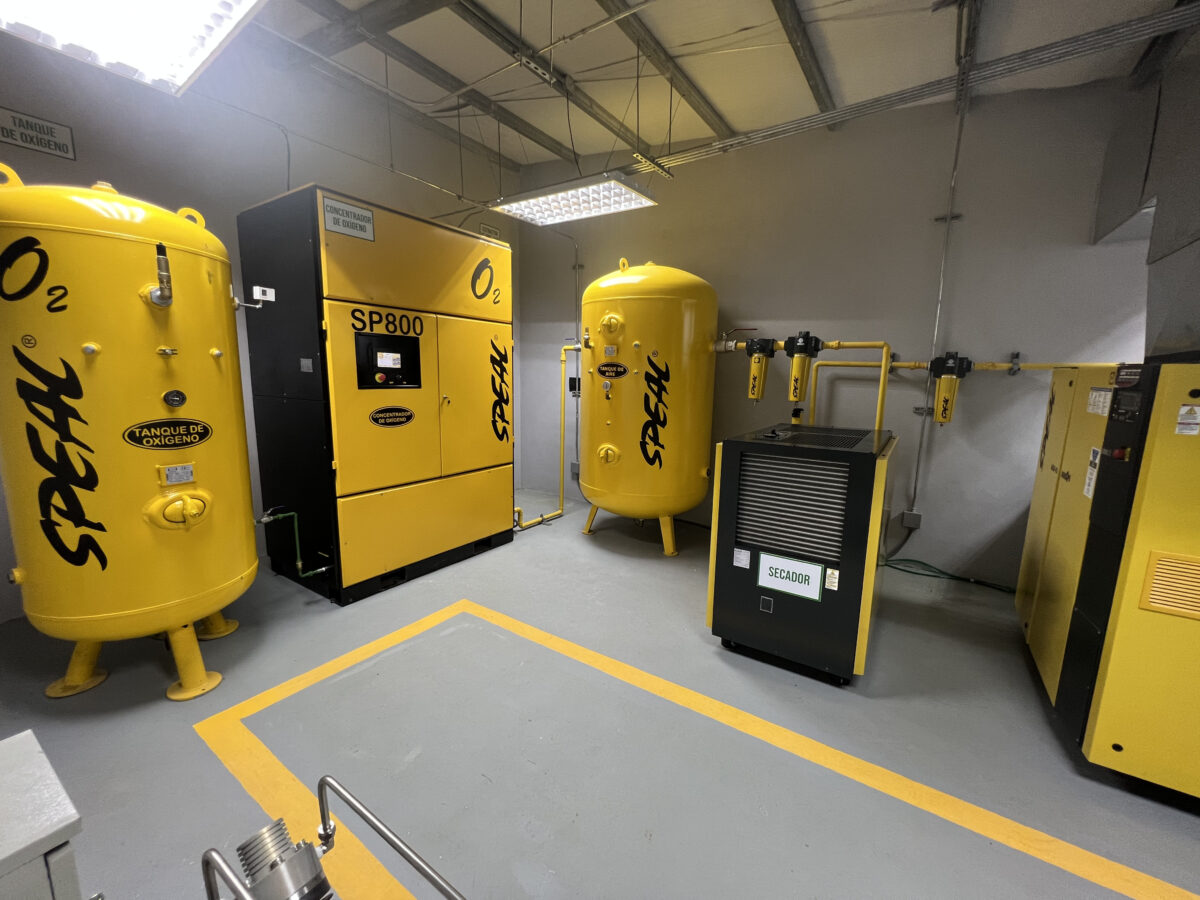
Oxygen generating plants, also known as large-scale oxygen concentrators, operate using two main technologies: pressure swing adsorption (PSA) and cryogenic separation. The PSA process, the most common, employs zeolite molecular sieves to separate oxygen from compressed air, adsorbing nitrogen and other gases. On the other hand, cryogenic separation, which is more complex and expensive, cools the air to extremely low temperatures to liquefy it and separate it by its boiling points.
The main advantage of an oxygen generating plant lies in its long-term self-sufficiency and efficiency. By generating oxygen directly at the point of use, it eliminates dependence on external suppliers and reduces operating costs associated with transporting and handling cylinders. In addition, it can provide a constant flow of oxygen at high purity, essential for critical medical applications.
Other advantages include:
- Long-term cost-effectiveness: Although the initial investment is higher, operating costs (electricity and maintenance) are significantly lower than cylinder supply.
- Continuous supply: Ensures an uninterrupted supply of oxygen, crucial in medical emergencies.
- Increased safety: Reduces the risk of explosions and leaks associated with the storage and handling of high pressure cylinders.
- Versatility: They can be adapted to different consumption needs, from small clinics to large hospitals and industries.
Oxygen Supply by Cylinders: Operation and Limitations
Oxygen supply by cylinders involves the purchase and transport of compressed oxygen in high-pressure metal containers. These cylinders are filled in specialized plants and distributed to end users. The oxygen in the cylinders is typically at a high purity, meeting the required quality standards.
The main advantage of the cylinders is their flexibility and ease of access. They are ideal for situations requiring mobility, such as ambulances or home medical care, and for facilities with low or intermittent oxygen consumption. The initial investment in infrastructure is minimal, as only the space to store the cylinders and regulating equipment is needed.
However, cylinder supply has significant limitations:
- High cost: The cost of oxygen per cylinder, including transportation, rental and handling fees, is considerably higher than that generated by an On-Site Oxygen Generating Plant.
- Supplier dependence: Supply is subject to supplier availability and lead times, which can be problematic in emergency situations or demand peaks.
- Safety risks: High pressure cylinders can be dangerous if not stored and handled correctly, posing a risk of explosions and leaks.
- Limited storage: Storing large numbers of cylinders requires considerable space and can be a challenge in space-constrained environments.
- Logistics management: Requires efficient logistics management to control inventory, cylinder changeover and supply assurance.
Technical and Application Considerations
The choice between an Oxygen Generating Plant and cylinder supply depends on several technical and operational factors. Oxygen consumption is the most important determinant; for facilities with constant high demand, such as hospitals, a plant is the most economical and reliable option. For low and sporadic consumption, such as small clinics or ambulances, cylinders are a more practical solution.
Other factors to consider are:
- Investment costs: The initial investment in an Oxygen Generating Plant is significantly higher than the purchase of cylinders and regulating equipment.
- Operating costs: Operating costs of generating plants (energy, maintenance) are lower in the long term.
- Available space: A Generating Plant requires space for installation and storage, while cylinders need space for storage and handling.
- Safety: Generating Plants offer increased safety by eliminating the risk of explosions and leaks associated with cylinders.
- Reliability: Generating Plants with a good maintenance plan ensure a reliable source of oxygen.
Conclusion
In summary, both oxygen generating plants and cylinder supply offer valid solutions for oxygen supply, each with their own advantages and disadvantages. The ideal choice will depend on the specific needs of each application, considering factors such as oxygen consumption, costs, available space, safety and reliability. A detailed technical evaluation and cost-benefit analysis are essential to make the most appropriate decision and ensure efficient and safe oxygen supply.